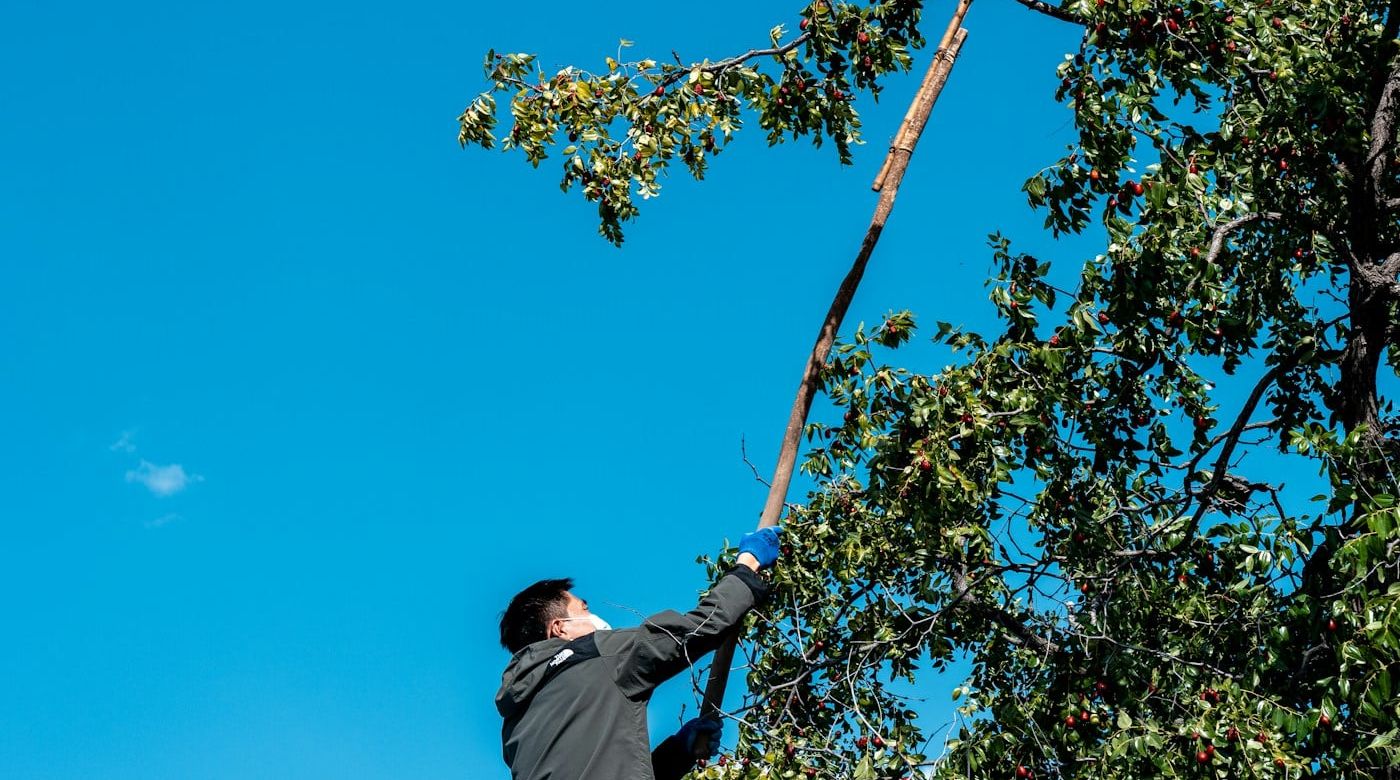
Tree Trimming and Pruning in Fort Wayne, IN
Fort Wayne Tree Co. does tree trimming and pruning around Fort Wayne, IN, from one dead limb above the porch to a full crown on an old silver maple. A 3 to 4 hour visit usually runs $510 to $900 here, billed for a crew of three. Our crews cover New Haven and Huntertown too, with trips to Leo-Cedarville, Churubusco, Ossian or Auburn.
Request a quote
Which tree is it, and what made you pick up the phone? Someone rings back with a first range.
The reason why we name each limb with the owner before the tree trimming starts is that this way we can limit the scope of work. A crew bills by hour, and when the work is not defined, it can be much higher than you expect. If something trimmed without a reason, it would hurt the tree as well.
- Every limb named and walked with you before anyone ties in
- One-third of a crown at most in any year
- Cuts landed at a fork or the collar, with no stubs left
- Big limbs lowered on rope past roofs and flower beds
- Chipper on site, lawn raked, logs stacked on request
Rough out a visit by the hour
Typical prices per hour for Fort Wayne jobs, from the source below. Your quote follows a look at the job.
$510 to $681
Call (260) 319-3650 for your priceAt a glance
| Crew of three, Fort Wayne | $170 to $227 an hour |
|---|---|
| Usual visit, 3 to 4 hours | About $705; most $510 to $900 |
| Tree 30 to 60 feet | $600 to $1,200 |
| Minimum job fee | $100 to $300 or more |
| Most crown to take in a year | One-third |
| Tree in the city's strip | Written permission first |
Tree Trimming for What You Can See From the Yard

Dead Limbs Over the Roof
When you deal with dead limbs over the roof, you need to understand that any wind can drop one, so it can come off in any month. If you can, we would advise not waiting till spring. Send us a photo of the tree so we can share our opinion.
Crown Thinning for Wind and Light
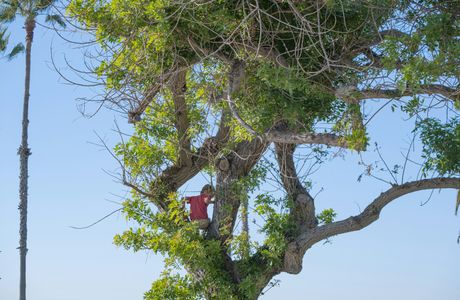
The reason why we do crown thinning for wind and light is that this way the tree stays the same height and wind can slip through the crown.
Crown Reduction Instead of Topping
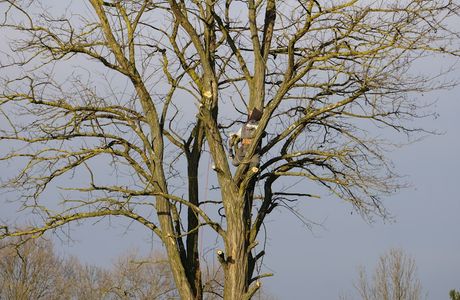
When you have to decide on crown reduction instead of topping, what you need to understand is that crown reduction would trim the leafy top of the tree, while topping would cut the mid-branches to stubs. You should ask where each cut lands.
Low Limbs Over the Driveway
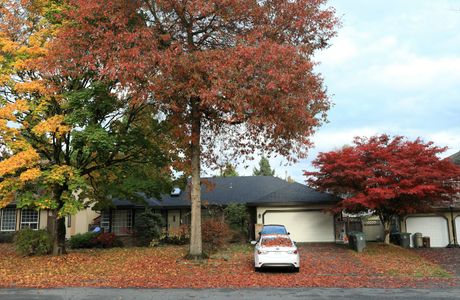
Crown raising lifts the lowest branches so a truck, a mower or your head gets under them. Limbs that block a public walk or a street light fall to the owner under Code 99.145.
Young Tree Pruning
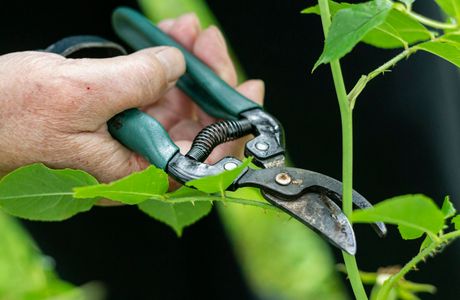
A few snips in year three save a saw job in year twenty. Pick one main leader, take out whatever competes with it, and remove anything rubbing. A hand pruner and a Saturday will do this on a small maple, and you don't need us for it.
Trees Topped Years Ago
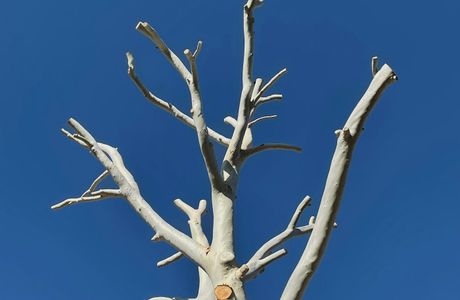
Managing trees topped years ago usually revolves around managing the shoots that grow at every stub. That creates a recurring bill, but it allows the tree to stay healthy.
Smaller Trimming Calls
Branches Rubbing the Shingles
Shortening each limb at a side branch, with air above the shingles, outlasts a straight cut at the eave.
Bradford Pear With a Splitting Fork
Its narrow forks tear apart as it ages. Thinning buys some years, and we'd tell you plainly if the money belongs on a replacement instead.
How a Tree Trimming Visit Runs in Fort Wayne
On a trimming visit we usually send a crew of three, and it takes three to four hours in total. First we do the walk-around and name each limb, and then we decide which cuts to make.
- The walk. Each limb gets a name, and so does whatever you want left alone. A limb with no buds by May, or bark sliding off, is dead and goes first.
- The species. It decides the cut and sometimes the date. A silver maple’s weak forks want weight off the tips.
- The written list. Each tree gets a number, with the haul on its own line.
- The wires. A limb near the line to your eaves means I&M comes first, with two business days’ notice.
- The cuts. Each one lands just outside the branch collar, the raised ring where a limb meets the trunk. Heavy limbs come down in short pieces on a rope.
- The cleanup. Brush goes through the chipper and the lawn gets raked. Keeping the brush? Fort Wayne collects only branches in a city cart, and the Lake Avenue drop-off charges a fee.
Trim, Prune or Take the Tree Down
Most trees with a solid trunk deserve a trim, since one bad limb only costs you that limb.
Trim When the Trunk Holds
The trunk is solid, the roots haven’t lifted and the trouble sits out in the branches.
If the tree looks good and suits the house, we would keep paying for trimming and taking care of it. But if it’s an old tree you would rather get rid of, you can pay once, plus the stump, and get rid of it for good.
Take It Down When the Trunk Fails
Fungus at the root flare, a crack through the main fork or a mostly dead crown changes the sum. In our view a trim now only delays the bigger bill.
What Tree Trimming Costs in Fort Wayne
Around here a crew of three bills $170 to $227 an hour, and the usual visit of 3 to 4 hours lands near $705.
| Job | Low | High |
|---|---|---|
| Crew of three, per hour, Fort Wayne | $170 | $227 |
| Visit of 3 to 4 hours, Fort Wayne | $510 | $900 |
| One tree up to 30 feet | $250 | $700 |
| One tree, 30 to 60 feet | $600 | $1,200 |
| One tree over 60 feet | $1,000 | $2,500+ |
Only the first two rows are Fort Wayne rates.
When to Trim Trees in Fort Wayne
Most trees here take a trim best in late winter, while dormant and before spring growth starts.
Oaks carry the firmest date. December through February is the window, since from March on a fresh cut attracts the oak wilt beetles. On wet Allen County clay, a hard freeze also lets a lift reach the back yard without cutting ruts.
What affects the price
Every job is quoted after we see it. These are the things that move the number up or down.
| Factor | How it moves the price |
|---|---|
| Height and reach | A lift that can drive in costs less time than a climb. |
| The drop zone | Limbs lowered past shingles take longer than limbs dropped on grass. |
| Species | Oak and other dense hardwood take more hours than a young ornamental. |
| Season | Late spring through early fall is the busy stretch, and storm calls cost the most. |
Tree Trimming and Pruning FAQs
How often should trees be trimmed?
For young trees, trimming comes every one to two years. But for mature trees, that's usually three to five years. Yearly is usually too much in both cases.
Should a tree trimmer use climbing spikes?
We won't use climbing spikes on a kept tree, because each step wounds the bark. They're meant only for trees coming down, so we use a rope or lift instead.
How much does it cost to trim a big oak or maple?
Across the country an oak usually runs $450 to $1,500 and a maple $400 to $1,000. Dense wood and a wide spread are where those hours go.
Is it cheaper to trim a tree or cut it down?
Over many years, trimming can cost more in total. One trim costs $510 to $900, but removal is closer to $1,100 plus the stump.
Do tree trimmers haul away the branches?
Hauling depends on your agreement, so we ask before signing anything, because it can add between $75 and $250 to the bill.
Do I need an arborist, or will a trim crew do?
Usually a crew is fine when you deal with dead wood, but an inspection runs $100 to $250. The clearest sign to pay for one is if you see fungus or a crack on the tree.
Get a quote on your tree trimming and pruning
Tell us the street, about how tall the tree is and what grows or parks beneath it. You get a call with a range, broken into the tree, the stump and the haul.
Request a quote
Call (260) 319-3650 to talk now, or describe the tree below and we will call you.